

Banja Koviljača
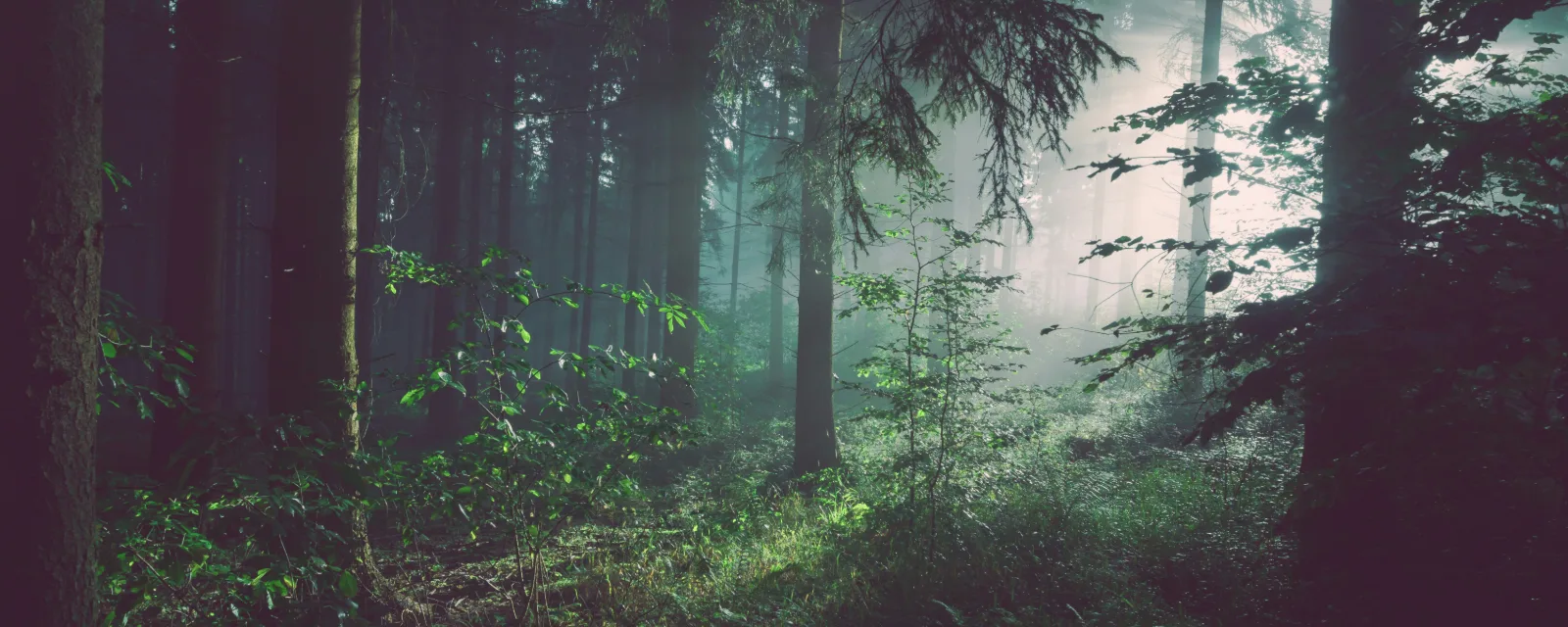
Banja Koviljača is a spa town on the right bank of the Drina, a few kilometres from Loznica, below the wooded Mount Gučevo. Between the two world wars it was one of the most elegant spas in the Kingdom, and from that time it has kept the Kursalon, its villas and a large park. Today it's quieter, but it still heals: the water is sulphurous, with its typical smell, and mud from the area is used for treatments. Guests come to recover, and day-trippers come for the Drina, Gučevo and the places linked to Vuk Karadžić.
Things to do
A walk starts in the spa park, at the Kursalon, an elegant building with halls for dances and concerts, past the springs and the old villas. There's a promenade along the Drina, and in summer people swim and kayak on the river. A forest road leads up Gučevo to the ossuary of Serbian soldiers killed in 1914 and to a viewpoint over the Drina and Bosnia. About ten kilometres from Loznica is Tršić, the birthplace of Vuk Karadžić, with his house and an ethno complex. Not far away is Tronoša Monastery, where Vuk learned to read and write as a boy.
Tips
For treatments at the specialist hospital you need a referral or a booking, so ask in advance. The Kursalon often has exhibitions and concerts, and it's worth checking the programme. You can drive up Gučevo, but it's nicer on foot, in two to three hours. In September Tršić hosts Vuk's Gathering, the oldest event of its kind in Serbia, with folk songs and dances. For lunch, sit down at a tavern by the Drina and order fish from the river.
Did you know?
The spa's name is linked to the legend of the bird Kovilja, queen of the fairies, who healed the wounded at the spring. The sulphur water has been used to treat rheumatism and bone conditions since the 19th century. The Battle of the Drina was fought on Gučevo in 1914, with the Serbian and Austro-Hungarian armies so close that, as the stories go, soldiers called out to each other across the trenches. Vuk Karadžić was born in Tršić in 1787, and Vuk's Gathering has been held since 1933.