

Bitolj
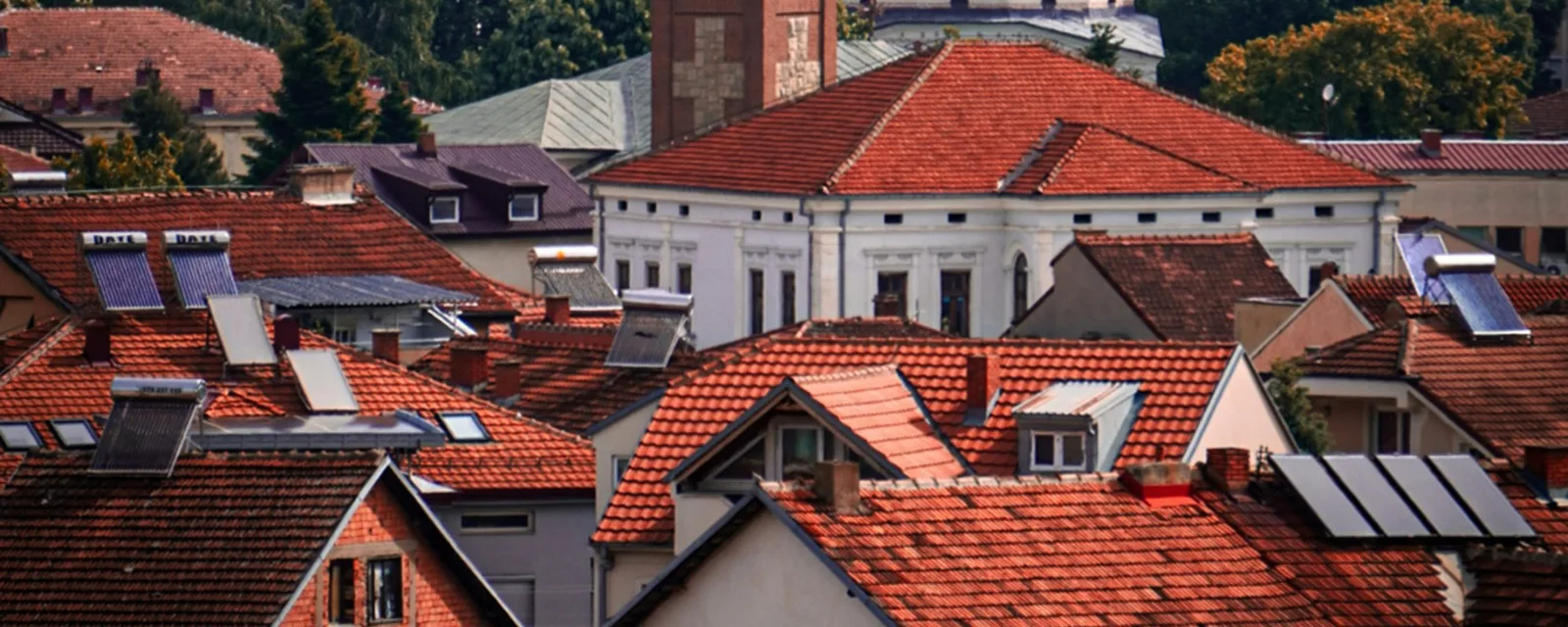
Bitola is the second-largest city in North Macedonia, in the Pelagonia plain near the Greek border, below Mount Pelister. In the 19th century many European countries had consulates here, so it's still called the city of consuls, and its streets are full of houses with Viennese and neoclassical facades. Everything happens on Širok Sokak, a pedestrian street lined with cafés that fills up in the evening. The city is relaxed and affordable, and Pelister and ancient Heraclea are close at hand.
Things to do
Walk along Širok Sokak from Magnolia Square to the city park, then turn into the old bazaar, with the Bezisten, a covered market, and the Clock Tower. On the edge of the city is Heraclea Lyncestis, an ancient town with a theatre, baths and floor mosaics of exceptional beauty. On Pelister, twenty minutes' drive away, you walk through forests of molika, a rare pine, to the glacial lakes known as Pelister's Eyes. Near Bitola is the Serbian military cemetery from the First World War. Ethno villages at the foot of Pelister, such as Malovište, have old stone houses and peace.
Tips
In the evening, sit on Širok Sokak, because that's the main event of the day in Bitola. For Pelister's Eyes, set aside a whole day and good shoes; the trail suits experienced walkers only. At Heraclea, look at the mosaics in the basilicas, which are sometimes covered for protection, so check in advance. Try Bitola pastrmajlija and local wines from Pelagonia. For Greece, use the Medžitlija crossing, and Ohrid and Prespa are an hour's drive away.
Did you know?
Heraclea Lyncestis was founded in the 4th century BC by the Macedonian king Philip II, father of Alexander the Great. The Manaki brothers, Yanaki and Milton, filmed one of the first films in the Balkans in Bitola in 1905, and an international festival of film cinematography is held here in their honour. As a young man, Mustafa Kemal Atatürk graduated from the military school in Bitola. The molika, a pine that grows on Pelister, is a rare species found only in the Balkans. In ancient times the Via Egnatia, the Roman road from the Adriatic to Constantinople, passed through Bitola.