

Niš
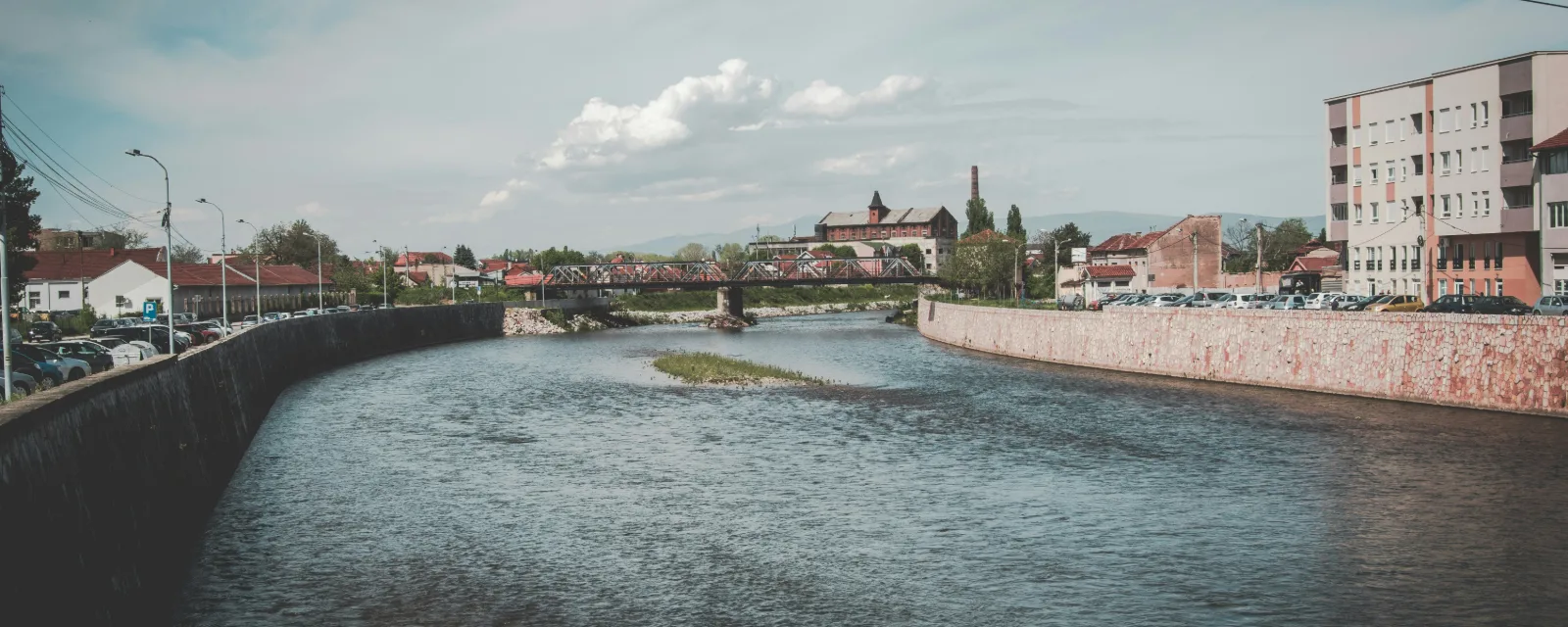
Niš sits on the Nišava river in southern Serbia, on the road people took for centuries from Europe to Constantinople. Everyone who passed through left something behind, so today a Roman imperial estate, an Ottoman fortress and an old tavern stand within half an hour's walk of each other. People here are warm, loud and always up for a chat, and they speak a dialect you won't mistake for any other. The food is plentiful and good, and many visitors come for exactly that.
Things to do
A visit usually starts at the Fortress, which you enter through the Stambol Gate, straight off the bridge over the Nišava. There are no tickets and no queues inside: it's a large park with an old mosque, remains of Roman walls, cafés and an open-air stage. The Skull Tower is at the other end of town and doesn't take long to see, but it leaves a strong impression. Mediana, the estate where Emperor Constantine stayed, has floor mosaics that are seventeen centuries old. When you've had enough history, drive out to Niška Banja spa or into the Sićevo Gorge, where the Nišava runs between steep cliffs and the villages make their own wine.
Tips
Have burek for breakfast, with yoghurt, in a bakery where the locals go. In the evening, sit down in Kazandžijsko Sokače, once the coppersmiths' street and now a row of taverns with terraces, and order grilled meat, roasted peppers and urnebes, a spicy cheese spread. Portions are big, so don't order everything at once. If you're coming in mid-August, check whether Nišville is on, the jazz festival held inside the Fortress. Allow an hour for Crveni Krst, a former Nazi concentration camp. It's not an easy visit, but you understand the city better afterwards. On Bubanj hill there's a monument shaped like three clenched fists, set in a park that's good for a walk.
Did you know?
Constantine the Great, the emperor who gave Christians freedom of worship and founded Constantinople, was born in Niš, then called Naissus, around the year 272. The Skull Tower was built by the Ottomans in 1809 from the skulls of Serbian rebels killed at the Battle of Čegar, as a warning to anyone thinking of rising up. It originally held 952 skulls, and 58 remain today. The present fortress was built by the Ottomans between 1719 and 1723, on the site of older Roman and Byzantine fortifications. Locals claim burek has been baked in their city since the 15th century, and every year they give it its own festival, Buregdžijada.