

Sikija
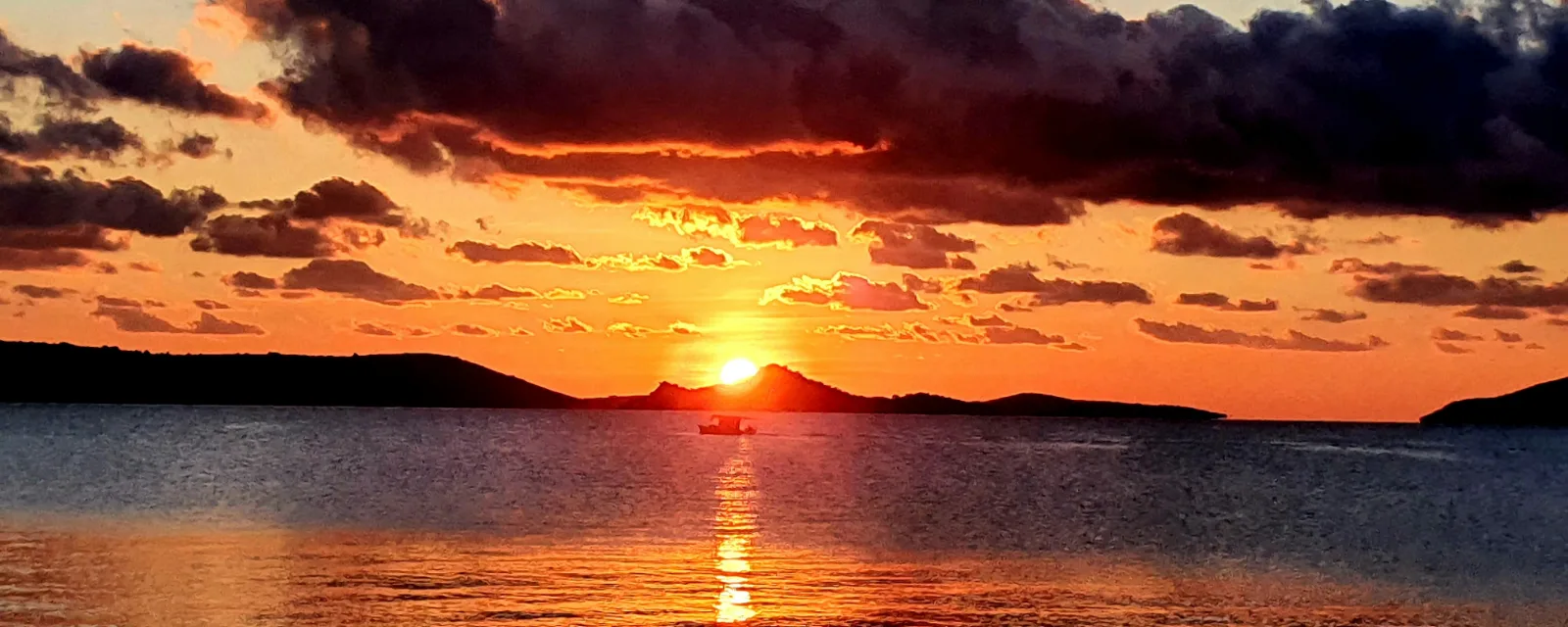
Sykia is a large old village in the south-east of Sithonia, two kilometres from the sea, surrounded by hills and olive groves. Unlike most places in Halkidiki, it didn't grow up because of tourists; it's lived in all year round and lives off olives, livestock and bees. Below the village is a long sandy beach, with a string of small coves between the rocks on either side. There are no clubs here and no promenade lined with souvenirs. It attracts people looking for silence, nature and a sea without crowds.
Things to do
The main beach is wide, sandy and more than two kilometres long, so there's room even in mid-August. At its far end are the remains of old windmills. Along the coast road to the south come the coves of Linaraki, Pigadaki, Klimataria and Griavas, each with a taverna or two and calm, clear water. In the village itself, walk the narrow streets to the Church of St Athanasios and have coffee on the square among the locals. By car it's about fifteen minutes to Sarti in the north and Kalamitsi in the south, the two best-known beaches in this part of the peninsula.
Tips
Sykia is for people who have a car and like to choose for themselves where to spend the day. Most accommodation is in the coves by the sea, not in the village, so check the exact location before you book. The village has a bakery, a butcher and shops with local prices, so stock up there. The tavernas in the coves serve fresh fish, octopus and whatever was caught that day. Evenings are dark and quiet, so bring a torch if you're walking. Wind can raise waves on the main beach, and the coves are calmer then.
Did you know?
Sykia is one of the oldest villages on Sithonia, and it takes its name from the fig tree, "sykia" in Greek. The village was deliberately built away from the shore and hidden by hills, so that it couldn't be seen from the sea, because of pirates. Above it rises Itamos, the highest mountain on Sithonia, covered in pine forest. From the beach you can see Mount Athos across the gulf, and on clear mornings the sun rises right behind its peak.